
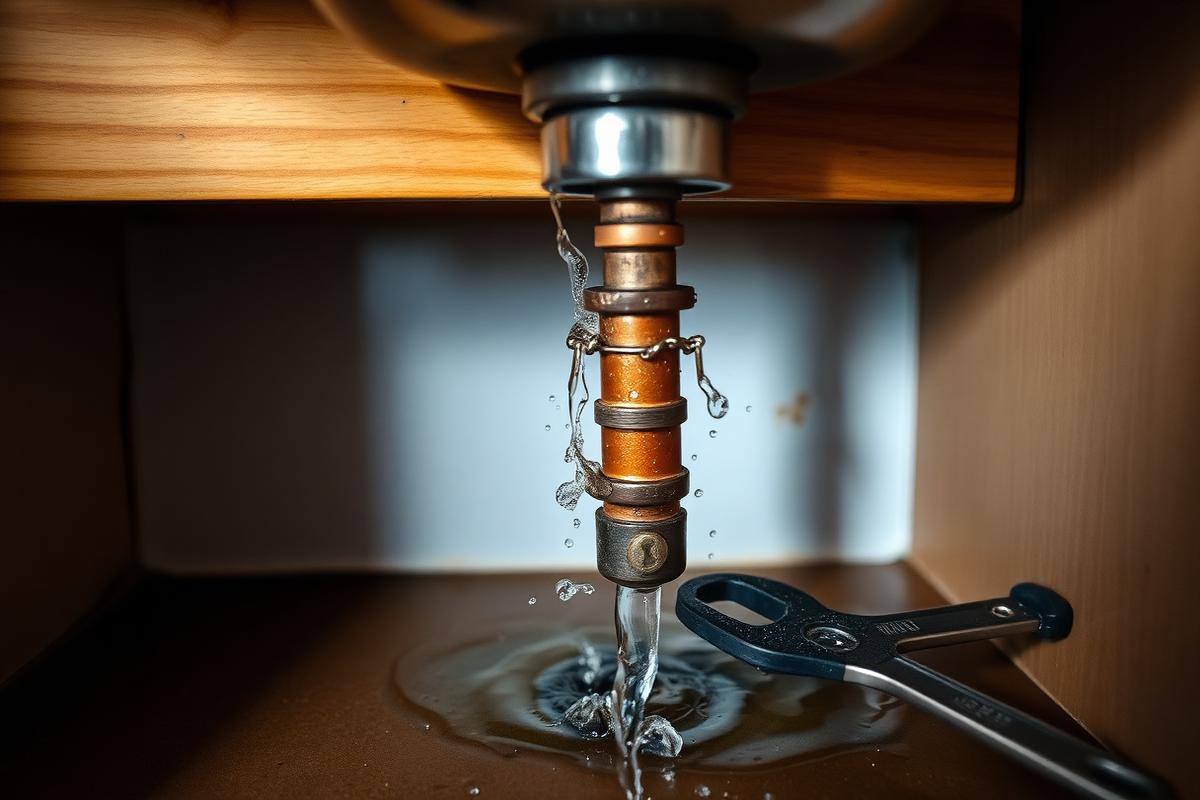
How to stop a burst pipe before the plumber arrives
Where the stop tap usually hides in a Swansea terrace, how to drain the system safely and what to photograph for your insurer.
Read the article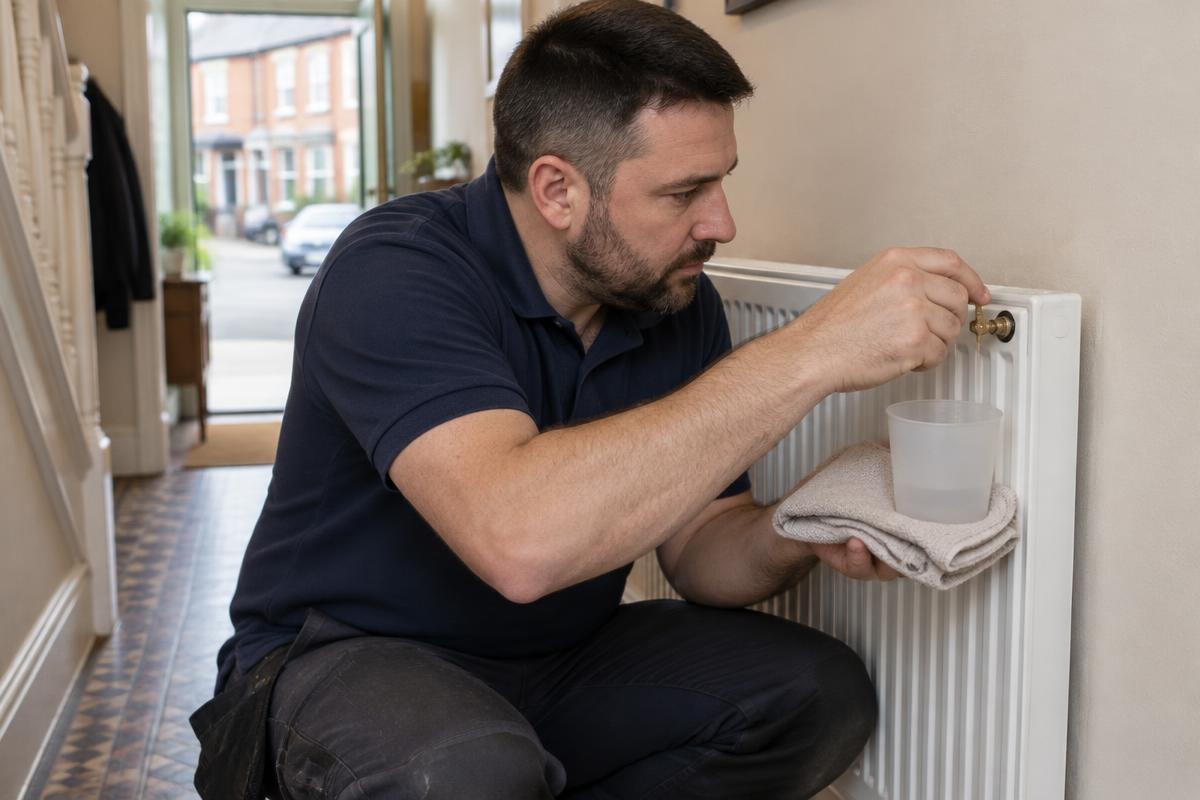
If the top of a radiator stays cold while the bottom is warm, there is air in it and a bleed key will sort it in a couple of minutes. If the bottom is cold and the top is hot, bleeding will not help, and the cause is somewhere else.
Published
Air is lighter than water, so it collects at the top of the panel. Feel the radiator with the heating off: cold across the top and warm at the bottom is trapped air.
Sludge, the black magnetite grit that wears off the inside of steel radiators, sinks. Cold at the bottom with a hot top, often with a grey or brown stain near the base, is sludge. It usually shows first on the radiator nearest the boiler.
Work through the house starting with the radiator furthest from the boiler and finish on the closest, so the air moves towards the valve you are opening.
Every radiator you bleed drops the system pressure a little, because water takes up the space the air left behind. If the gauge was already low when you started it will be lower still when you finish, and a boiler short of pressure locks out before it heats anything.
Look at the gauge again the next morning. If it has dropped with no bleeding involved, water is escaping somewhere and the pressure post explains where it goes.
A radiator that comes back cold a week later has a cause behind it, and bleeding is only treating the symptom.
Not one radiator but the whole circuit: pump speed, inhibitor strength, whether a magnetic filter was ever fitted, and how the system was balanced when the radiators went in. An unbalanced system leaves the rooms furthest from the boiler lukewarm all winter, and no amount of bleeding changes that.
Need a hand with this in Swansea or Gower? get in touch and we will talk you through the options.
Where the stop tap usually hides in a Swansea terrace, how to drain the system safely and what to photograph for your insurer.
Read the article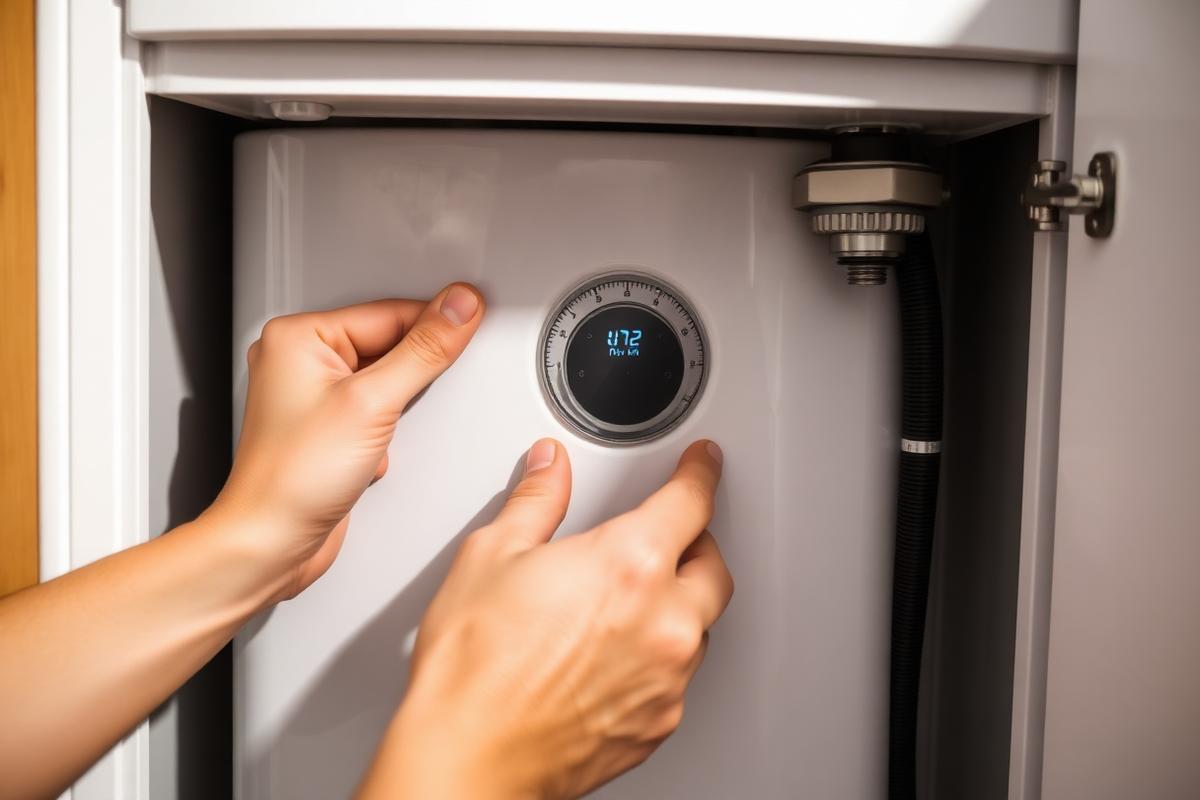
Topping up the filling loop every week is a symptom, not a fix. The three causes we find most often and how each one is put right.
Read the articleTell us what is going on and we will book a realistic arrival window across Swansea and Gower.
Get a free quoteRead reviews from local customers, or share your own experience of working with us.
Read our Google reviews